Alliance Fire Protection Services | Fire Alarms, Sprinklers, Extinguishers & Life Safety Systems

Training

Practical Fire Protection Knowledge for Building Owners & Facility Managers

Fire Protection Training

At Alliance Fire Protection Services (AFPS), we believe that education is one of the most valuable tools for maintaining a safe, compliant facility. Understanding how your fire protection systems operate—and recognizing common problems before they become emergencies—can help reduce downtime, improve safety, and extend the life of your equipment.

This training guide highlights common issues found in commercial fire protection systems and provides general guidance on what building owners, property managers, and maintenance personnel should know.

Important: This information is intended for educational purposes only. Repairs, testing, adjustments, and inspections should always be performed by qualified fire protection professionals.

Backflow Preventers

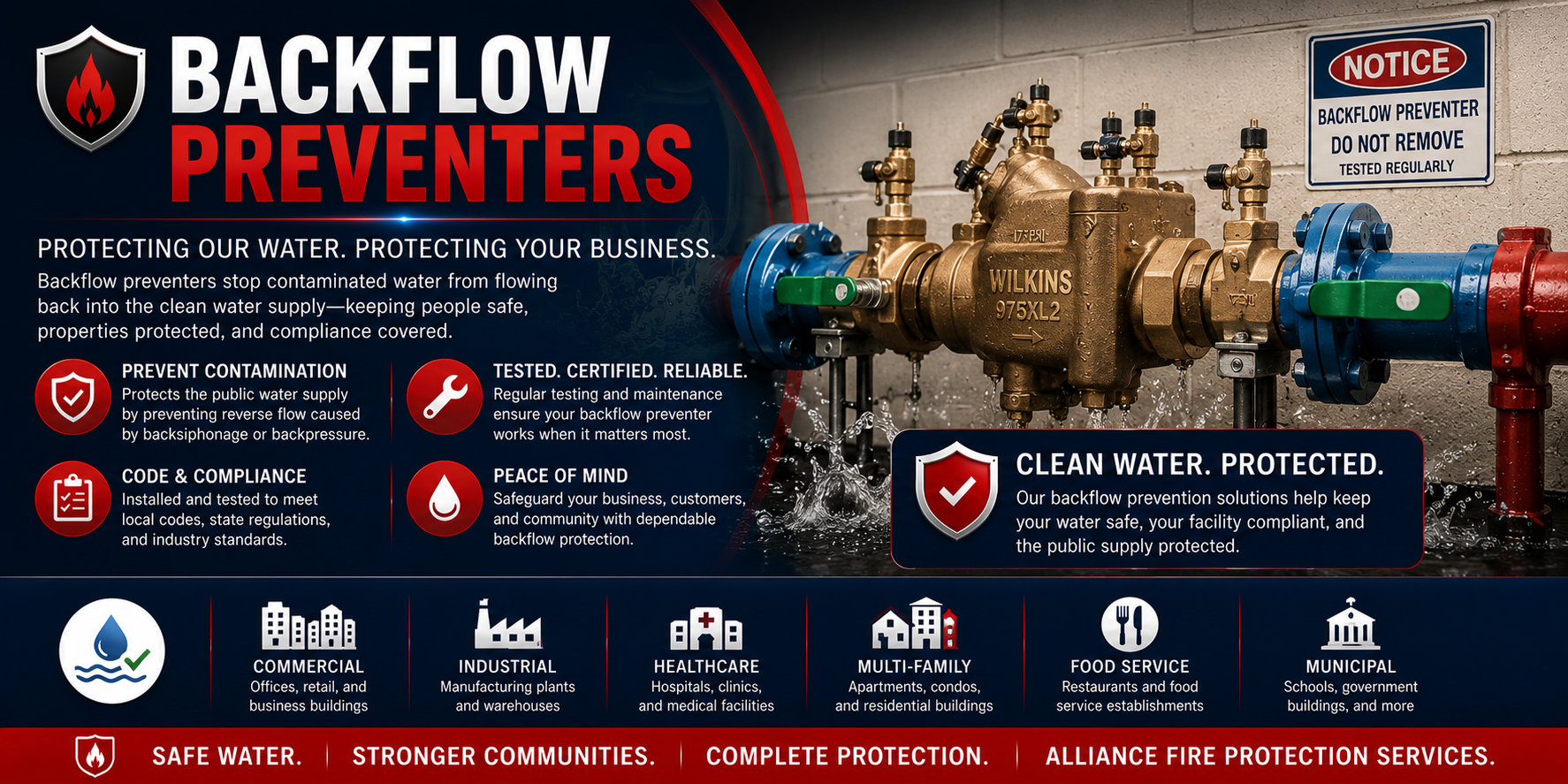
Backflow preventers protect the public drinking water supply by preventing water from flowing backward from a fire sprinkler system into the potable water system.

Common Backflow Preventer Problems

Check Valve Failure

The check valve prevents water from returning to the public water supply.

When the check valve fails:

  • Water may flow backward into the potable water system.
  • The building may no longer meet required code standards.
  • Immediate inspection and repair are recommended.

Routine testing helps identify these issues before they become serious compliance or safety concerns.

Fire Pumps

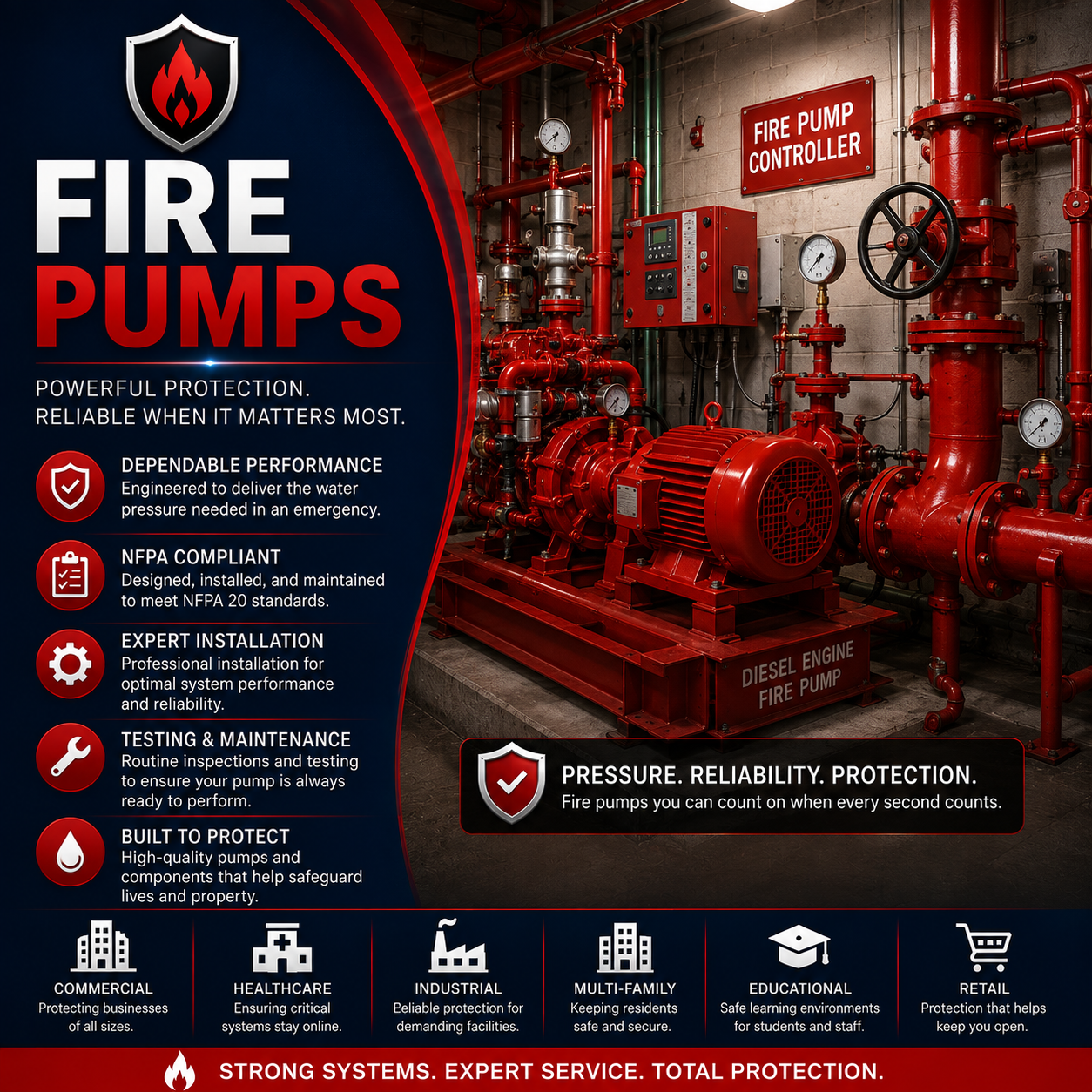
Fire pumps play a critical role in supplying adequate water pressure to fire sprinkler systems during an emergency. Routine inspections and preventive maintenance are essential to ensure dependable performance.

Common Fire Pump Problems

Relief Valve Leaking Continuously

A leaking relief valve may indicate excessive pressure, valve wear, improper adjustment, or other mechanical issues that require professional inspection.

Smoking Pump Packing

Pump packing should be adjusted if excessive leakage or overheating is observed. Ignoring this condition can lead to premature equipment failure.

The Most Common Cause of Fire Pump Problems

The majority of fire pump failures are directly related to lack of routine preventive maintenance.

Regular inspections, lubrication, testing, and scheduled service significantly reduce the likelihood of costly repairs and unexpected failures.

Air Compressors

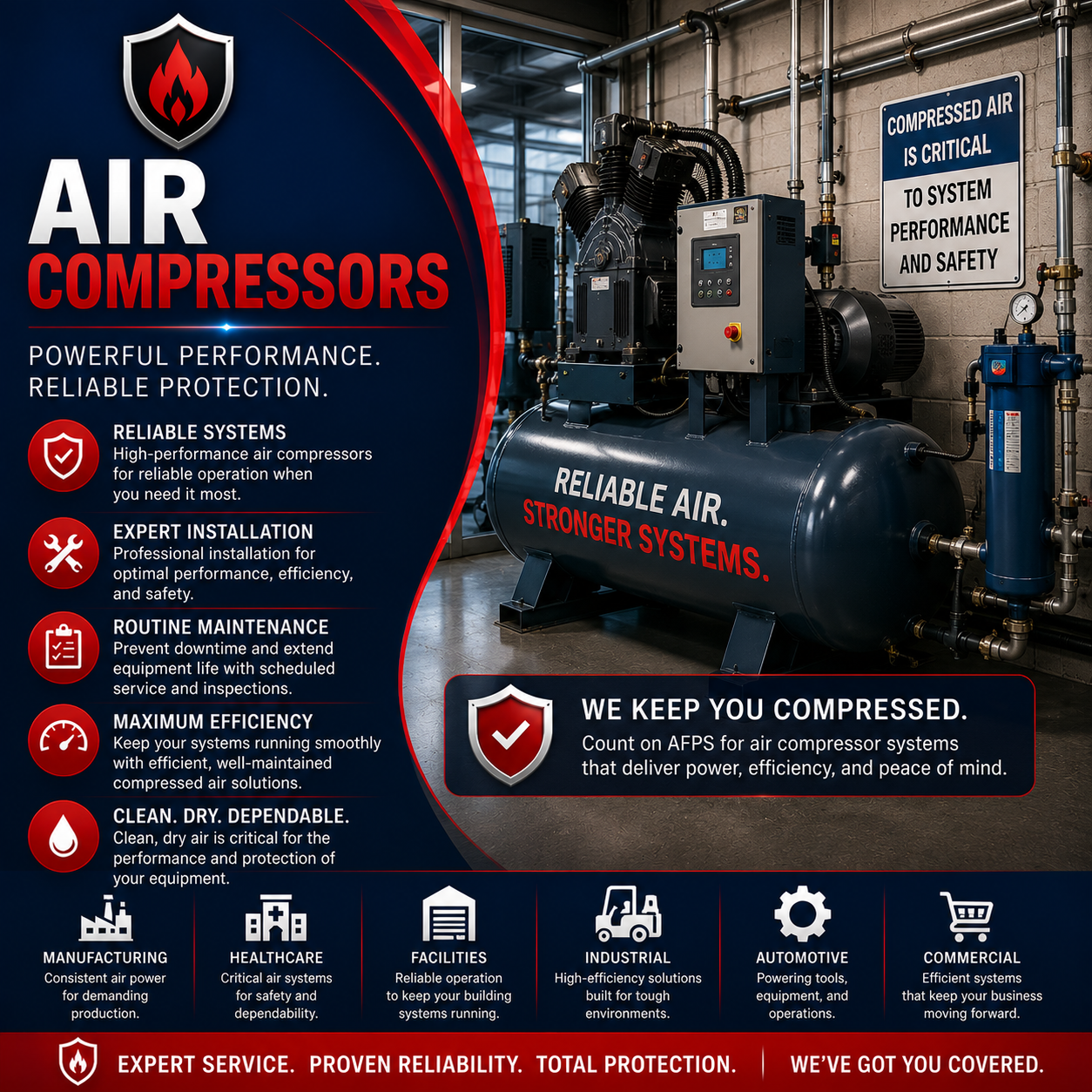
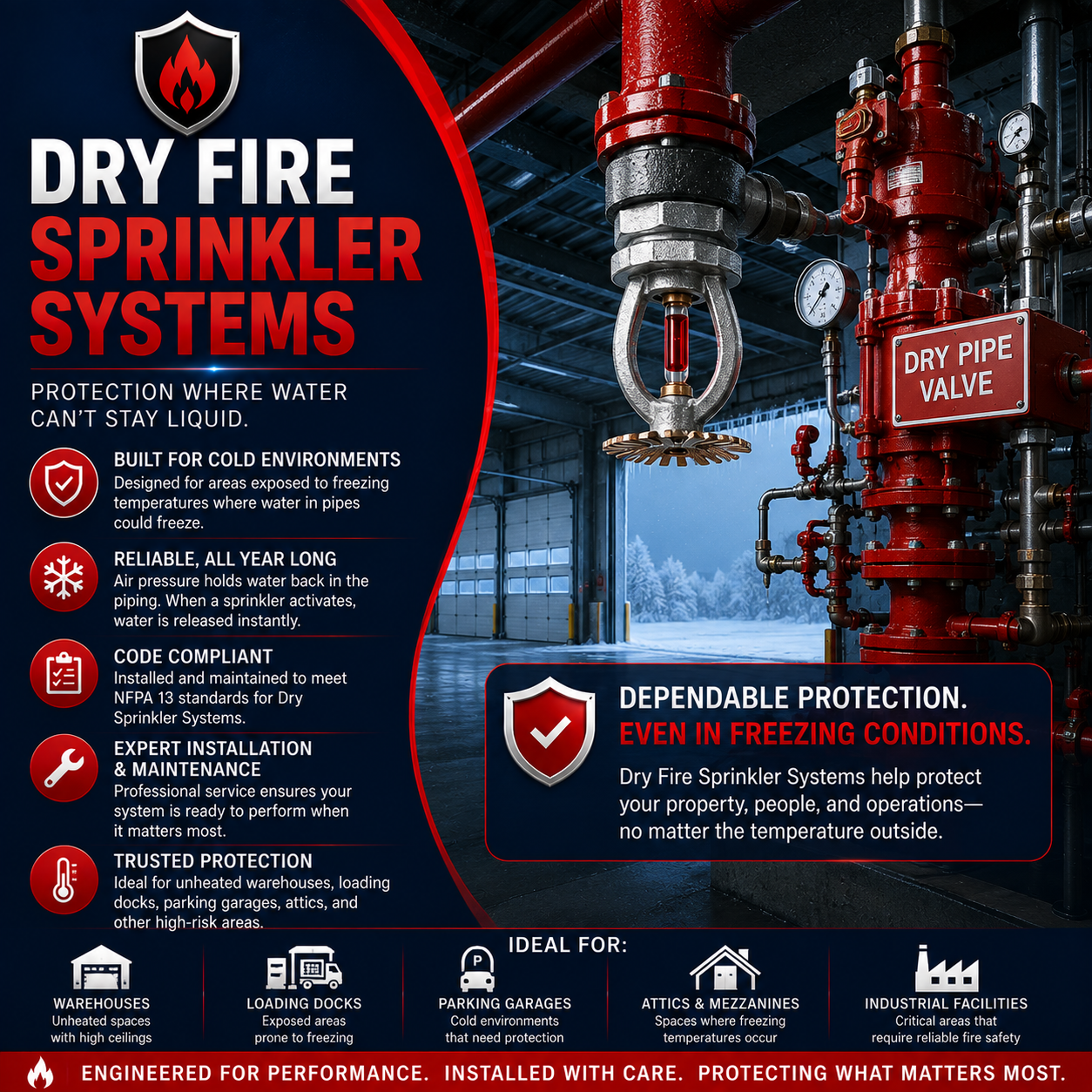
Dry pipe sprinkler systems rely on air compressors to maintain proper air pressure within the piping network.

Common Air Compressor Problems

Compressor Runs Continuously

This often indicates:

  • A leak somewhere in the dry sprinkler system
  • Damaged piping
  • Loose fittings
  • Air loss from valves or other components

Power Loss

Possible causes include:

  • Tripped circuit breaker
  • Electrical supply interruption
  • Faulty electrical components

Complete Compressor Failure

Complete failure is commonly caused by poor maintenance, including:

  • Low oil levels
  • Worn drive belts
  • Lack of lubrication
  • General mechanical wear

Routine maintenance greatly extends compressor life and improves system reliability.

Fire Hydrants

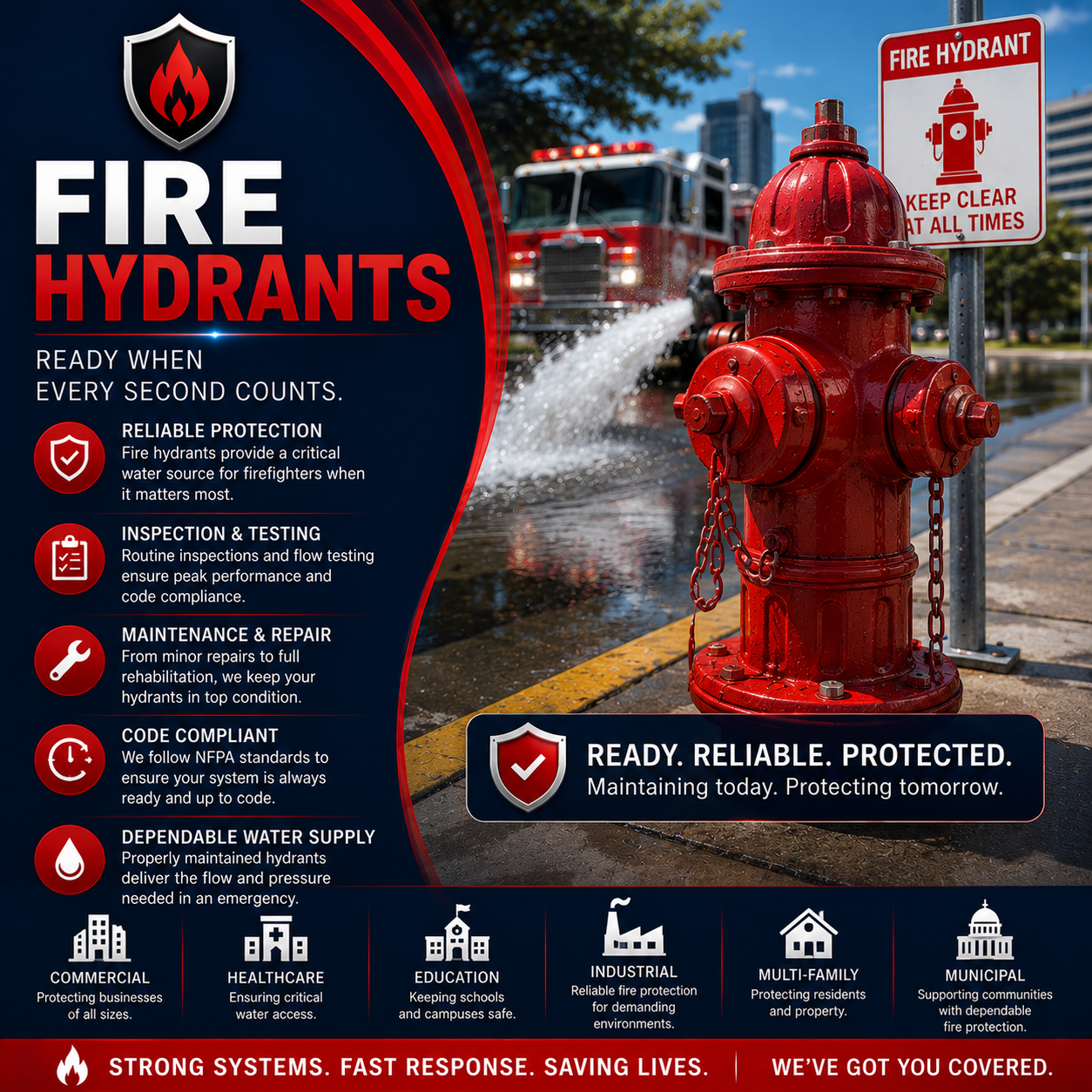
Fire hydrants provide firefighters with an immediate source of water during emergency operations.

Common Fire Hydrant Problems

Physical Damage

Hydrants are frequently damaged by:

  • Vehicles
  • Construction equipment
  • Landscaping equipment

Visible damage should always be reported and repaired promptly.

Insufficient Water Flow

Reduced water flow may result from:

  • Closed isolation valves
  • Water supply issues
  • Mechanical failures

Underground Obstructions

Obstructions or damaged underground piping can reduce hydrant performance and should be professionally evaluated.

Wet Fire Sprinkler Systems

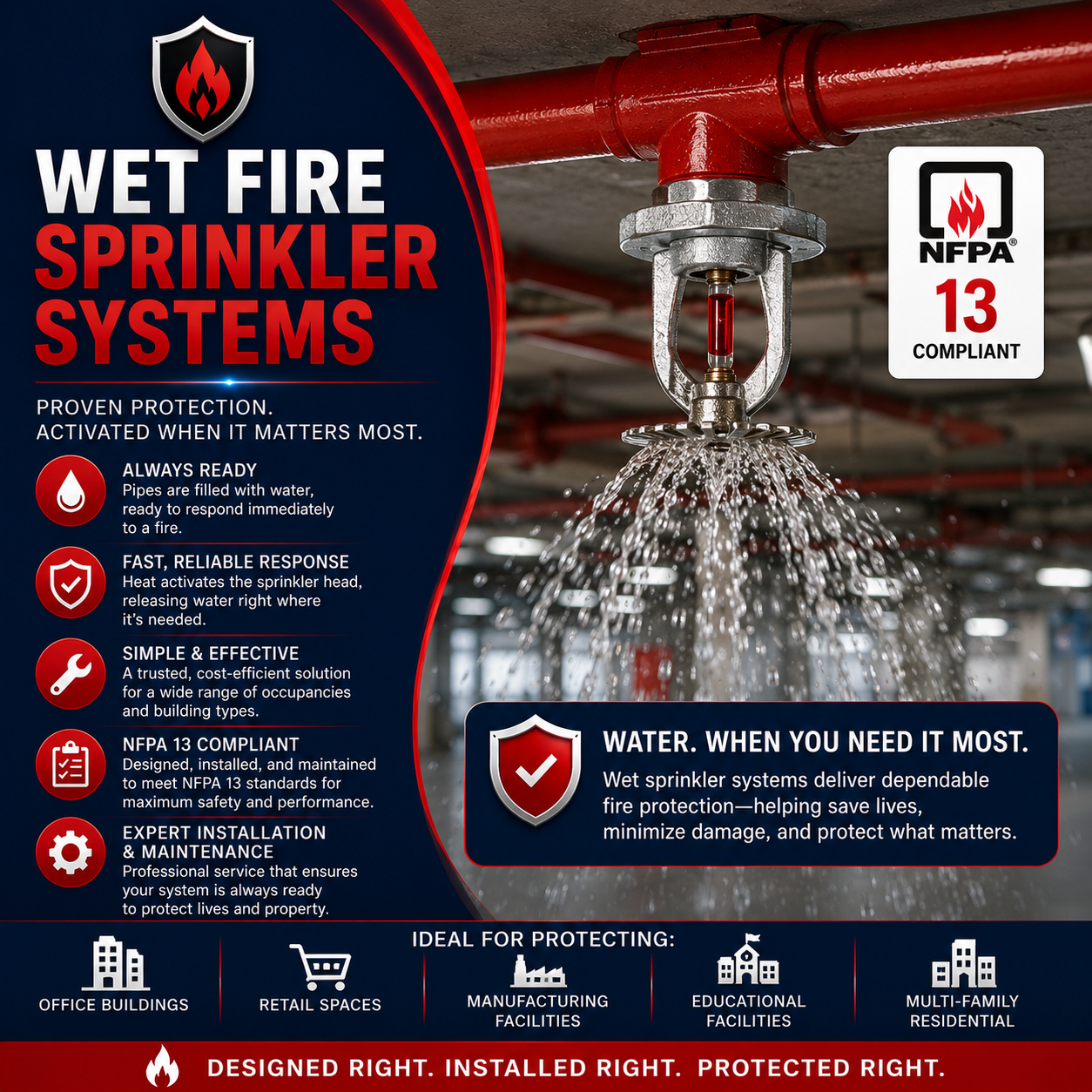
Wet pipe sprinkler systems remain filled with water at all times and are the most common type of commercial fire sprinkler system.

Common Wet System Problems

Mechanical Damage

Sprinkler heads are commonly damaged by:

  • Forklifts
  • Warehouse equipment
  • Construction activities
  • Accidental impacts

Damaged sprinkler heads should never be ignored and must be replaced immediately.

False Flow Switch Alarms

Flow switches may activate due to:

  • Water surges
  • Normal component wear
  • Aging equipment

Regular inspections help identify components approaching the end of their service life.

Dry Fire Sprinkler Systems

Wet pipe sprinkler systems remain filled with water at all times and are the most common type of commercial fire sprinkler system.

Common Dry System Problems

Low Air Pressure Supervisory Condition

Low air pressure may be caused by:

  • Leaks within the sprinkler piping
  • Air compressor malfunctions
  • Damaged fittings
  • Valve issues

Dry Valve Trips

Dry valves may trip due to:

  • Loss of system air pressure
  • Frozen pipe or drum drip assemblies
  • Burst piping caused by freezing
  • Physical damage to sprinkler piping

Prompt repairs help prevent water damage and maintain system readiness.

Fire Alarm Systems

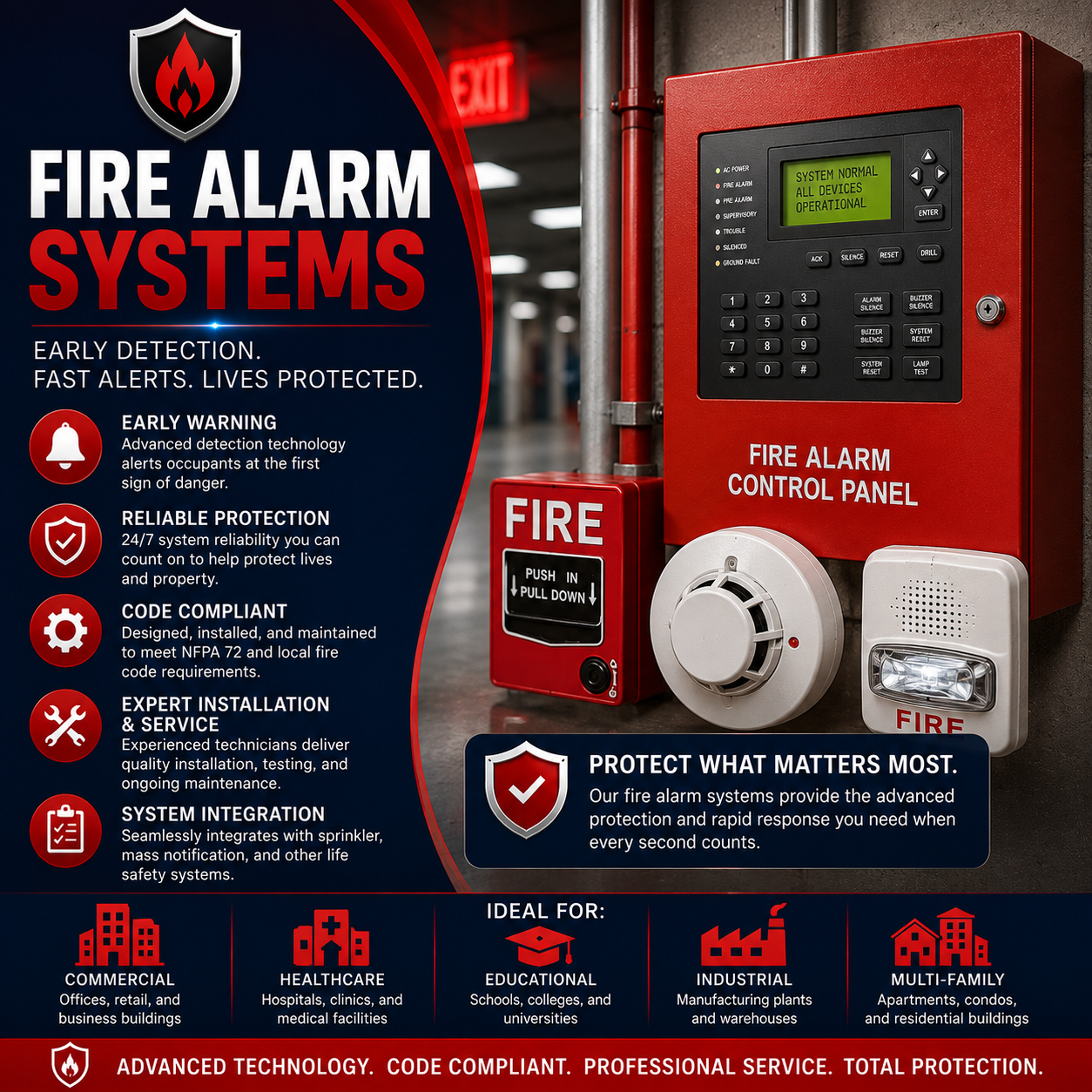
Fire alarm systems provide early warning during emergencies and continuously monitor the condition of life safety equipment.

Common Fire Alarm Problems

False Alarms

Common causes include:

  • Dirty smoke detectors
  • Activated pull stations
  • Water intrusion in exterior pull stations
  • Damaged detection devices
  • Environmental conditions

Routine cleaning and maintenance help reduce unwanted alarms.

Trouble & Supervisory Conditions

Common causes include:

  • Loose wiring
  • Closed sprinkler control valves
  • Damaged equipment
  • Low backup batteries
  • Communication failures
  • Electrical issues

Trouble conditions should never be ignored, as they often indicate that part of the system may not operate properly during an emergency.

What to Do During a Fire Alarm

If your fire alarm system activates:

1. Remain Calm

Do not assume the alarm is false.

2. Observe the Fire Alarm Panel

The control panel should display the location or zone where the alarm originated.

3. Verify the Alarm Location

If it is safe to do so, designated personnel should investigate the reported area to determine whether there is an actual emergency.

4. Acknowledge & Silence the Alarm

If your facility’s emergency procedures allow:

  • Acknowledge the alarm.
  • Silence the audible devices if appropriate.

Do NOT reset the fire alarm system.

5. Wait for the Fire Alarm Technician

A qualified technician should inspect the system, identify the cause of the alarm, complete any necessary repairs, and reset the panel after confirming the system is ready to return to service.

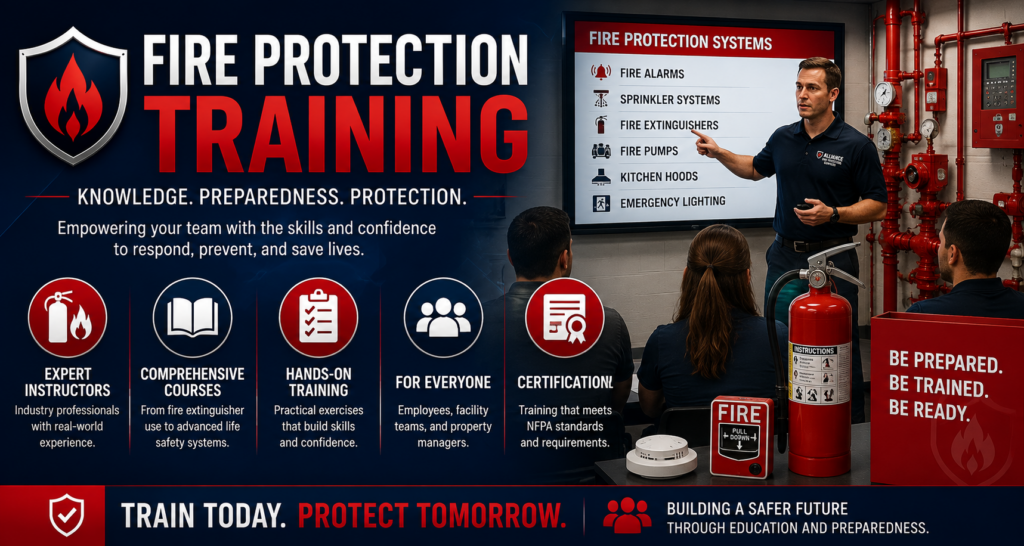
Training & Support from Alliance Fire Protection Services

Alliance Fire Protection Services is committed to helping customers understand their fire protection systems—not just servicing them.

Our experienced professionals provide inspections, testing, maintenance, repairs, system upgrades, and practical guidance to help building owners and facility managers keep their life safety systems operating at peak performance.

If you have questions about your fire protection equipment or would like to schedule an inspection or preventive maintenance program, contact Alliance Fire Protection Services today. We’re here to help you protect your people, property, and business with dependable fire protection solutions throughout Metro Atlanta.